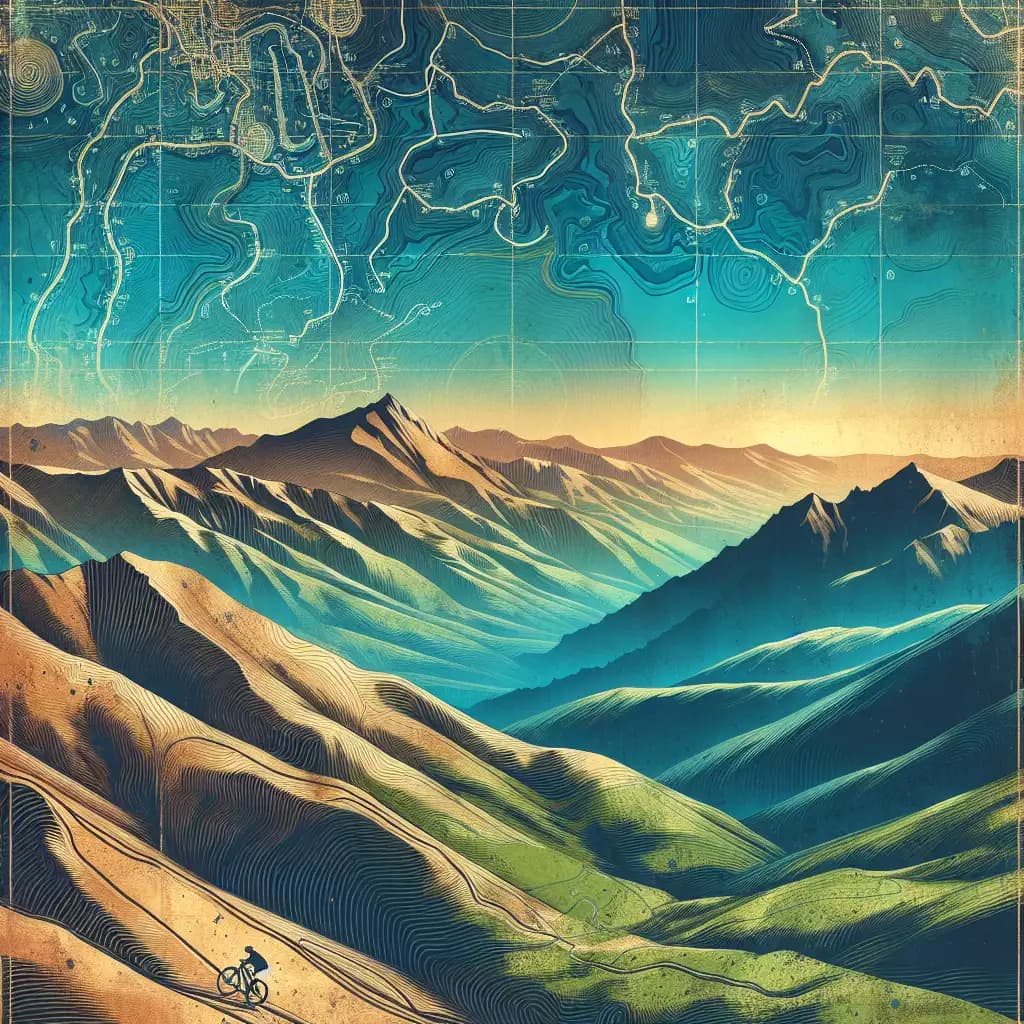
Wilderness Landscape & Natural Heritage
The Roaring Fork Watershed, located in the heart of Colorado, covers approximately 1,450 square miles, encompassing rivers, alpine lakes, forests, and high mountain peaks. It plays a crucial ecological role as it feeds the Roaring Fork River and several tributaries. This watershed supports a variety of wildlife, including elk, black bears, and an array of bird species. Historically, the area was inhabited by Native American tribes and later by settlers during the silver mining boom. Today, it is well-known for its outdoor recreation opportunities. Hiking and mountain biking are popular on the network of trails, while the rivers provide excellent opportunities for fishing and kayaking. The nearby ski resorts offer winter activities like skiing and snowboarding. Key landmarks include the Maroon Bells, known for their breathtaking views and photographic appeal. This watershed is a vital natural resource, drawing visitors for both its beauty and the adventures it offers.